Partnering with Countries Hosting Large Refugee Populations
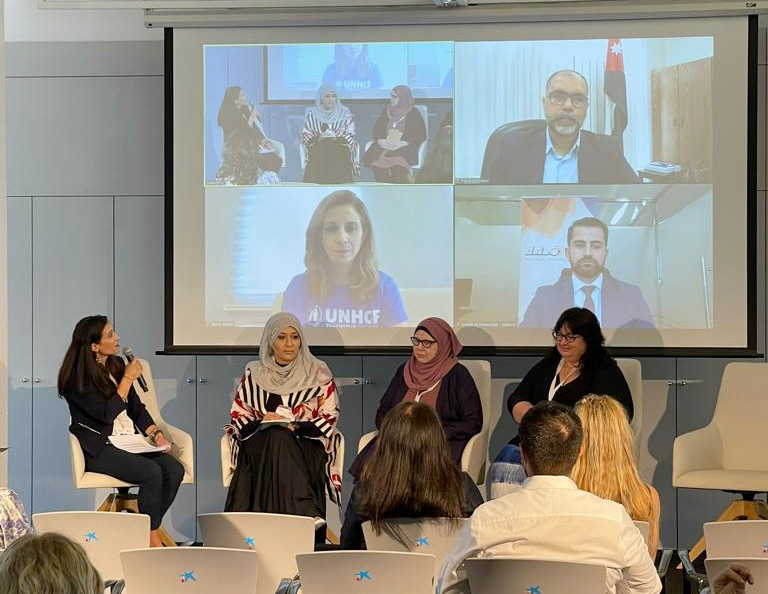
The CLCC is forging strategic partnerships with governments and universities in countries of first asylum. Through a series of high-level roundtables, the CLCC has fostered a heightened sense of commitment and coordination among key stakeholders, catalyzing increased access to higher education for the growing number of displaced people in these countries.
To support these ambitious efforts, the CLCC also provides training, workshops, and ongoing technical support to university and government partners. Through this collaborative approach, the CLCC seeks to ensure that universities and governments in these vital yet overburdened countries have the support needed to translate high-level commitments into tangible opportunities for learners.
Supporting Refugee-led Organizations
The CLCC is committed to supporting refugee-led organizations that are established by CLCC students and alumni. These organizations are uniquely positioned to support community-based research and advocacy and play a critical role in connecting youth to locally available skills development, community service, and livelihood opportunities. Thus far, the Consortium has partnered with various CLCC members to provide refugee-led organizations with access to training and grants as well as bespoke mentoring, fundraising, and communication support.
Low- and middle-income countries hosted 76% of the world’s refugees.
Strengthening the Student Engagement Task Force
As a student and refugee-led organization, the SETF plays a crucial role in the CLCC, partnering closely with the Consoritium’s co-leads and members. This collaboration ensures that the CLCC’s initiatives and members’ programs are responsive to the ambitions of refugee learners, taking into account students’ diverse linguistic and cultural backgrounds as well as their needs beyond the classroom and after graduation.
In 2023, the SETF aims to elevate the voices of refugee learners through a number of advocacy efforts, including the debut of a new podcast and a blog series. Through these mediums, students’ perspectives on the impact of higher education will take center stage. These platforms will also enable students and recent graduates to shed light on the barriers displaced learners continue to face while inviting them to envision and co-create bolder solutions for promoting higher education access and post-graduation success.